Rodent Control
Oh, Rats!...
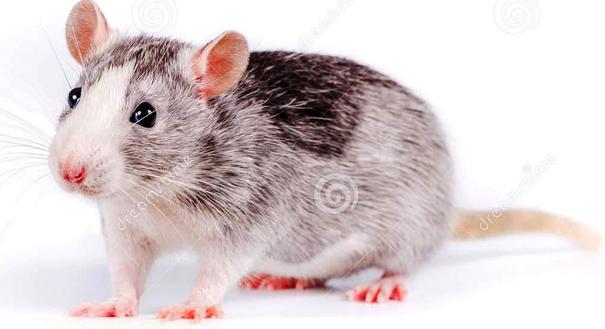
Rat sightings have been going up in Kenmore, and we're not alone - it's a familiar story in dense residential neighborhoods anywhere humans unintentionally supply food, water, and shelter to wildlife. The good news: rats respond to their environment. When the welcome mat is pulled up, populations drop.
In a village where homes and businesses sit close together, effective rat control is a block-by-block effort. A single yard with an open trash bin or an unguarded bird feeder can sustain rats for everyone nearby. A few practices, done consistently, make the biggest difference:
Rat sightings have been going up in Kenmore, and we're not alone - it's a familiar story in dense residential neighborhoods anywhere humans unintentionally supply food, water, and shelter to wildlife. The good news: rats respond to their environment. When the welcome mat is pulled up, populations drop.
In a village where homes and businesses sit close together, effective rat control is a block-by-block effort. A single yard with an open trash bin or an unguarded bird feeder can sustain rats for everyone nearby. A few practices, done consistently, make the biggest difference:
- Keep weeds and ground cover trimmed, especially along foundations where rats nest
- Seal exterior holes and gaps in garages and home foundations
- Use only bird feeders with rat guards, and sweep up spilled seed
- Clean up pet waste regularly — it's a food source
- Remove standing water, or raise water sources well off the ground
- Store trash in totes with tight-fitting lids; avoid leaving bags curbside overnight
- Keep seldom-used areas — behind garages, under decks, along fences — clear of debris
When prevention isn't enough
Erie County's free baiting program. Under Village ordinance, only the Erie County Department of Health can bait private property in Kenmore — the Village itself is not authorized to do so. Baiting is free of charge for qualifying residential properties (four units or less). To request service, call ECDOH at (716) 961-6800 or complete their online Rodent Service Request form. You can also contact the Village Building Department at (716) 873-5700, and a Code Enforcement Officer can help identify habitats or food sources on or near your property.
Understanding what's in a bait station.
The baits used in municipal programs, and most of the products sold at hardware stores, are anticoagulant rodenticides. They work by interfering with blood clotting; a rat that eats the bait dies of internal bleeding over three to seven days. First-generation anticoagulants (warfarin, diphacinone, chlorophacinone) require repeated feedings and clear from tissue relatively quickly, which reduces — but does not eliminate — the risk to animals that scavenge poisoned rats. Second-generation anticoagulants (brodifacoum, bromadiolone) can kill in a single feeding and persist in the liver for weeks, posing a higher risk to hawks, owls, foxes, cats, and dogs that eat a poisoned rat. New York has been tightening restrictions on second-generation products; California has already banned most consumer sale of them. If you purchase bait on your own, the product label will identify which type you're buying.
Traps: what works, and what to avoid. If you'd rather handle individual rats yourself:
An emerging option: fertility control.
A newer category of product reduces rat populations by limiting reproduction rather than killing individual rats. ContraPest and Evolve (both from SenesTech) are EPA-registered and commercially available, and pilots are underway in New York City, Seattle, Washington DC, and San Francisco. Fertility control requires consistent, sustained use to work — it's not a quick fix — and is most effective as part of an integrated approach that also includes exclusion and sanitation. Some pest control providers now offer it as a service. If you're interested, ask your provider whether they do.
Erie County's free baiting program. Under Village ordinance, only the Erie County Department of Health can bait private property in Kenmore — the Village itself is not authorized to do so. Baiting is free of charge for qualifying residential properties (four units or less). To request service, call ECDOH at (716) 961-6800 or complete their online Rodent Service Request form. You can also contact the Village Building Department at (716) 873-5700, and a Code Enforcement Officer can help identify habitats or food sources on or near your property.
Understanding what's in a bait station.
The baits used in municipal programs, and most of the products sold at hardware stores, are anticoagulant rodenticides. They work by interfering with blood clotting; a rat that eats the bait dies of internal bleeding over three to seven days. First-generation anticoagulants (warfarin, diphacinone, chlorophacinone) require repeated feedings and clear from tissue relatively quickly, which reduces — but does not eliminate — the risk to animals that scavenge poisoned rats. Second-generation anticoagulants (brodifacoum, bromadiolone) can kill in a single feeding and persist in the liver for weeks, posing a higher risk to hawks, owls, foxes, cats, and dogs that eat a poisoned rat. New York has been tightening restrictions on second-generation products; California has already banned most consumer sale of them. If you purchase bait on your own, the product label will identify which type you're buying.
Traps: what works, and what to avoid. If you'd rather handle individual rats yourself:
- Electronic traps (brands include Rat Zapper and Victor M-series) deliver a high-voltage shock that causes near-instant death. Animal welfare assessments consistently rank these among the most humane methods available for rat control. They cost more upfront than snap traps but can be reused indefinitely.
- Snap traps work quickly when they trigger correctly, but misfires can injure rather than kill. Quality matters; the cheapest wooden traps are the least reliable.
- Glue traps should be avoided. A caught rat typically dies slowly from exhaustion, dehydration, or self-inflicted injury, and pets, birds, and wildlife can be caught inadvertently. Several countries and US jurisdictions have banned them.
An emerging option: fertility control.
A newer category of product reduces rat populations by limiting reproduction rather than killing individual rats. ContraPest and Evolve (both from SenesTech) are EPA-registered and commercially available, and pilots are underway in New York City, Seattle, Washington DC, and San Francisco. Fertility control requires consistent, sustained use to work — it's not a quick fix — and is most effective as part of an integrated approach that also includes exclusion and sanitation. Some pest control providers now offer it as a service. If you're interested, ask your provider whether they do.
The bigger picture
Whatever method a household chooses, rat control in a walkable village like Kenmore succeeds or fails block by block. The most effective thing any of us can do is the least dramatic: close the lid on the trash tote, fix the gap under the garage door, rake up the fallen birdseed. Every rat that doesn't find food or shelter on your property is one fewer rat for the whole neighborhood.